

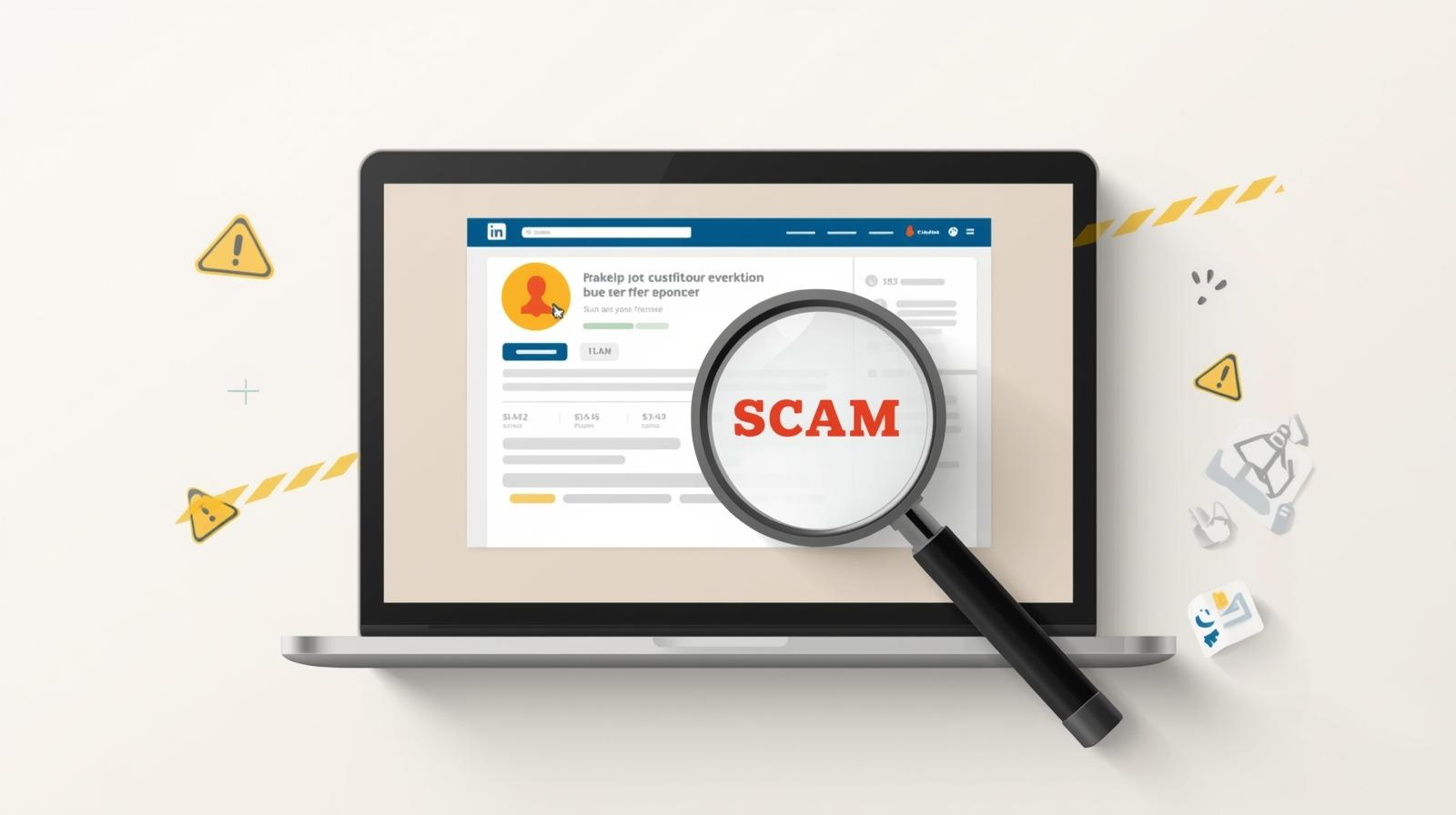

 Scams disguised as “work from home” or “make money easily” — often called task-scams — are rising. These lure job-seekers with simple micro-tasks but lead to financial loss, time wasted and compromised credentials. You deserve better.
What are task-style job scams?
• These ads promise easy work: “Like videos. Review apps. Boost products.” According to Trend Micro, they build trust via fake dashboards and small initial payouts.
• In the UK, reports of job-related fraud (including task-scams) rose ~237%.
• Victims often pay upfront equipment/training fees or are asked to transfer funds.
Why this matters for career professionals.
• You’re investing your time, brand and effort. Falling into a scam distracts from genuine roles.
• These scams can appear in platforms like LinkedIn, meaning your professional network may inadvertently promote them.
• Understanding these scams strengthens your job-search guardrails and protects your personal data.
How to spot them – red flags.
- Vague role descriptions: “Work from home. Unlimited income.”
- Upfront payments required before you start or withdraw earnings.
- “Tasks” rather than a defined job: liking, sharing, reviewing apps.
- Communication moves quickly to WhatsApp/Telegram or outside LinkedIn.
- The role or company cannot be found on the official careers site or via credible domain.
- You’re offered pay for “boosting products” rather than delivering a defined service.
- The recruiter or company profile is shallow: few connections, minimal online footprint.
Step-by-step protection.
• Pause and verify: Check the company website, LinkedIn page, contact domain.
• Keep communication on platform or via official email.
• Never send money, buy equipment or share bank details before a formal offer from a verified employer.
• Report suspect posts, profiles and messages: UK – via Action Fraud.
• If you’ve engaged: cease contact, document everything, contact your bank if you sent funds.
What to do instead
• Focus on roles with clearly defined responsibilities, pay structures and employer branding.
• Use your network to verify: ask if anyone knows the recruiter or employer.
• Use LinkedIn’s “report” or “block” function for suspicious contacts.
• Keep your skills marketable so genuine roles find you.
Staying alert doesn’t mean mistrusting everything. It means protecting your career effort, professional identity and time. It means chasing real opportunities rather than give-ups.
Ready to strengthen your job-search strategy? Book my Power Hour now https://calendar.app.google/xLRn9Pz1AThZm6YE9 to review your approach, tighten your guardrails and target roles that truly align with your goals.
